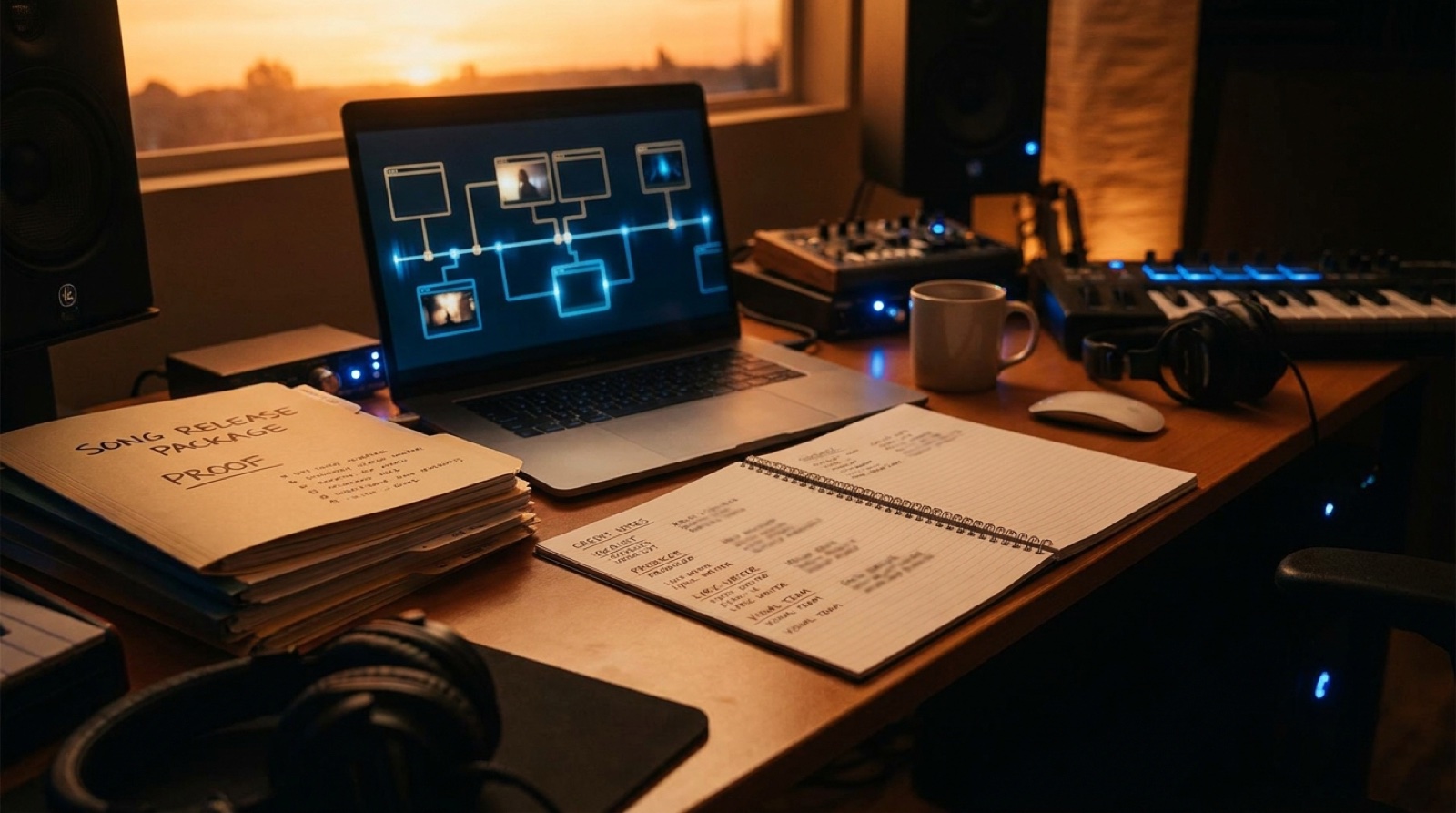
AI music collaboration credits should be planned before the video goes live because the credit line is part of the release package. It tells listeners who shaped the song, which parts were AI-assisted, and why the final piece still feels authored.
When credits are rushed, they either say too little or turn into a defensive essay. Neither helps the release. A clear credit plan gives collaborators respect, gives viewers context, and gives the artist a calmer upload day.
The goal is not to explain every tool setting. The goal is to make the public version honest enough to trust and simple enough to read.
Start with the people before the tools
Write down every human role first: vocalist, lyric writer, topliner, producer, mixer, mastering engineer, visual director, editor, designer, label contact, and anyone who approved the final release.
This keeps the credit line from making the AI system look like the only creative contributor. Most serious releases still depend on taste, selection, revision, arrangement, performance, direction, and final judgment.
If one person handled many roles, name the role stack plainly. If a collaborator only helped with one part, give that part a clean label instead of burying it in vague thanks.
Name the AI-assisted parts without over-explaining them
AI-assisted music disclosure works best when it is specific but not theatrical. Say whether AI helped with composition, vocals, lyrics, arrangement, artwork, video scenes, or final visual assembly.
You do not need to publish every prompt. You do need to avoid implying that a human sang, played, designed, or filmed something if that is not true.
Streaming and platform policies keep changing, and YouTube asks creators to disclose realistic altered or synthetic content in relevant cases through its altered or synthetic content guidance. Treat public credit copy as one part of that wider trust habit.
Separate public credits from private proof
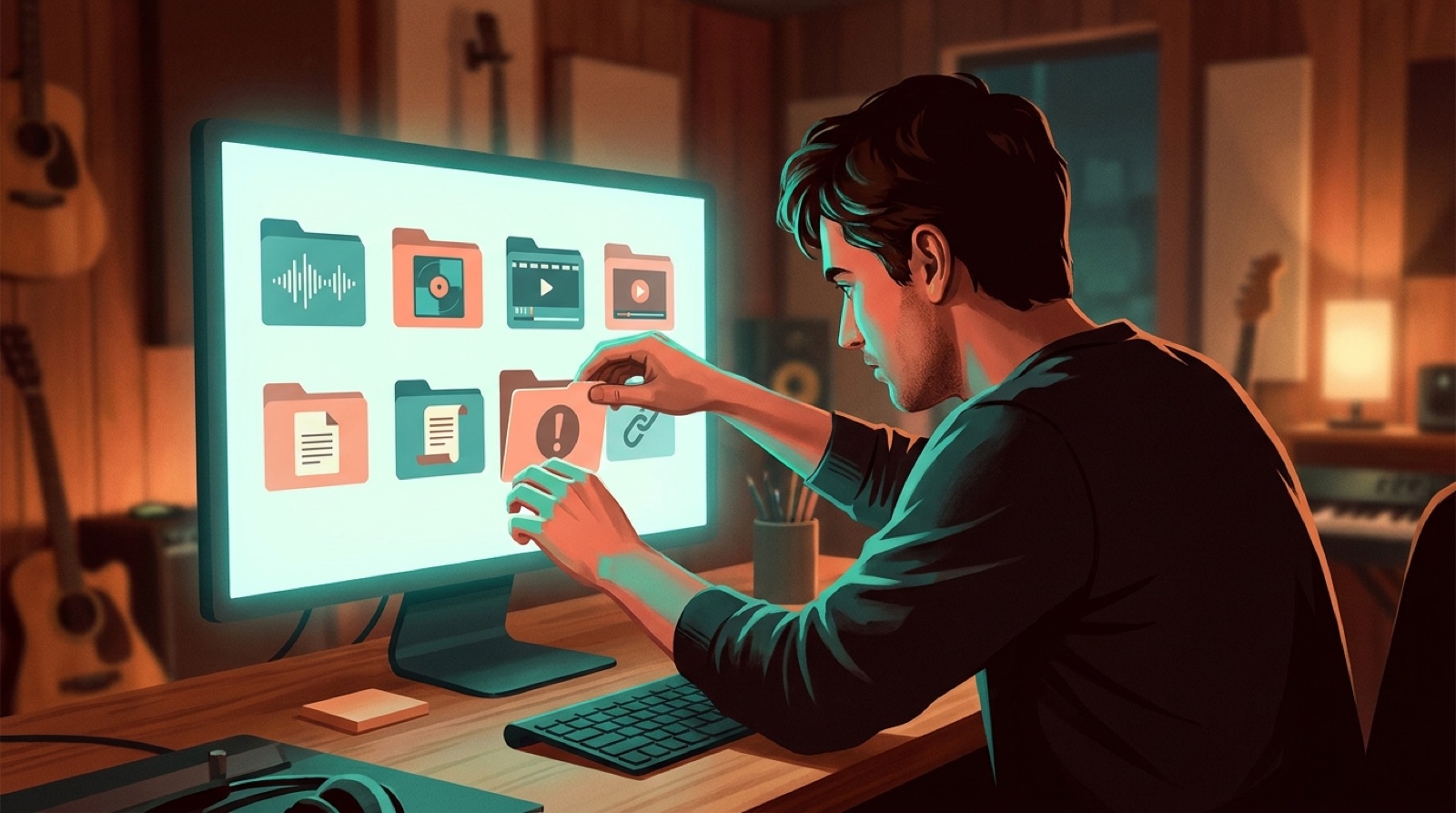
The public credit line should be short. The private release folder can be detailed. Keep exports, collaborator approvals, source files, prompts worth saving, tool receipts, visual references, and final copy in one place.
This helps when a distributor asks questions, when a collaborator wants a correction, or when the artist returns to the project months later. A private proof folder can be boring. That is part of why it works.
For a deeper release record, pair this with an AI music release documentation habit before the next song takes over.
Write the video description while the visuals are being made
The music video is often where the credit problem becomes visible. If the description says nothing about the vocalist, visual source, AI-assisted footage, or final editor, viewers are left to guess.
Draft the description while the video package is still open. Mention the song, the central visual idea, the core collaborators, and the AI-assisted parts in the same place. That makes the video feel prepared instead of patched together.
SceneLore fits into this step when the finished track or cover image needs a coherent full-video package. Create your first video in SceneLore once the credit plan and visual anchor are clear.
Use one short credit template
A simple template keeps the wording calm:
- Song by: artist or project name.
- Lyrics, vocals, production, mix, or mastering: named people where relevant.
- AI-assisted elements: composition, vocal generation, artwork, or visual scenes where relevant.
- Video direction and final assembly: named person, team, or project.
- Release notes: disclosure, licensing, or collaborator approval note if needed.
Keep the template flexible. A solo Suno creator, a hybrid producer, and a small label all need different levels of detail. The shared rule is that a viewer should understand who did what without needing a private briefing.
Do not let credit copy weaken the release
Some artists write credits as if they are apologizing for using AI. Others hide every AI-assisted step and make the release feel suspicious. Both choices make the package weaker.
Good credit copy sounds steady. It says what happened, gives people their roles, and then lets the song and video carry the emotion.
This is especially important for small labels and collaborations. If three people are involved, agree on the credit language before the thumbnail, description, and social captions are finished.
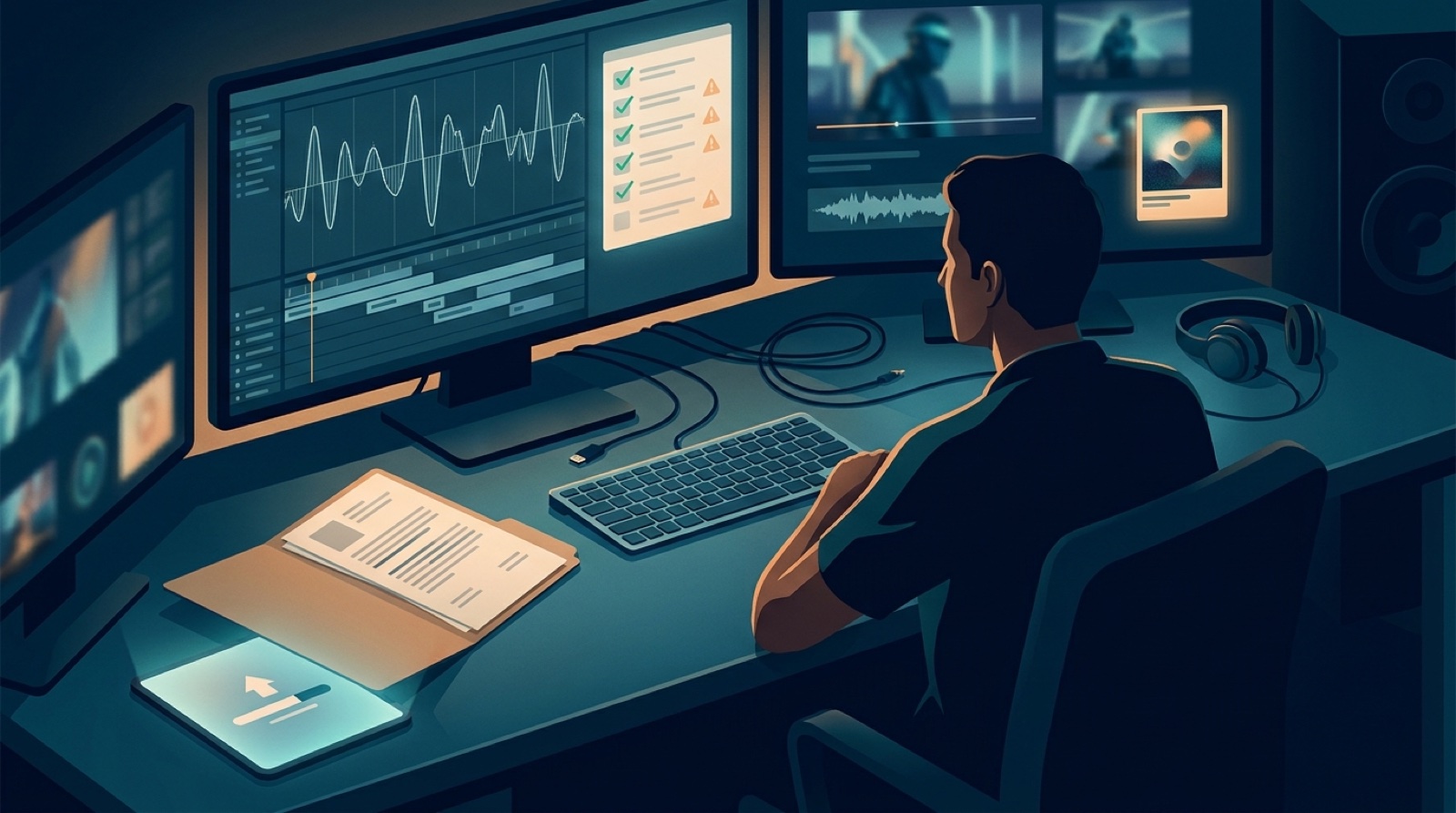
A pre-upload credit check
- Every human collaborator has the right role attached.
- AI-assisted parts are named plainly where they matter.
- The video description matches the song page and social captions.
- The release folder contains approvals, exports, and final copy.
- The thumbnail and video do not imply a performer or source that is not real.
- The public credit line is short enough to read.
Credits will not solve every rights question. They can make the release feel cleaner, more respectful, and easier to trust.
FAQ
What should AI music collaboration credits include?
Include the human roles, the AI-assisted roles, the final audio source, the visual source, and any collaborator approvals the release depends on.
Where should AI music credits go?
Put the short public version in the video description, release page, or caption, then keep the longer proof notes in your private release folder.
Do AI credits replace legal advice?
No. Credits make the release clearer for viewers and collaborators, but rights questions still need proper agreements or professional advice.
Related guides

Make the credit plan and video package feel connected
Use SceneLore to turn a finished song, cover image, or visual anchor into a release-ready music video that supports the story around it.
Create Your First Video