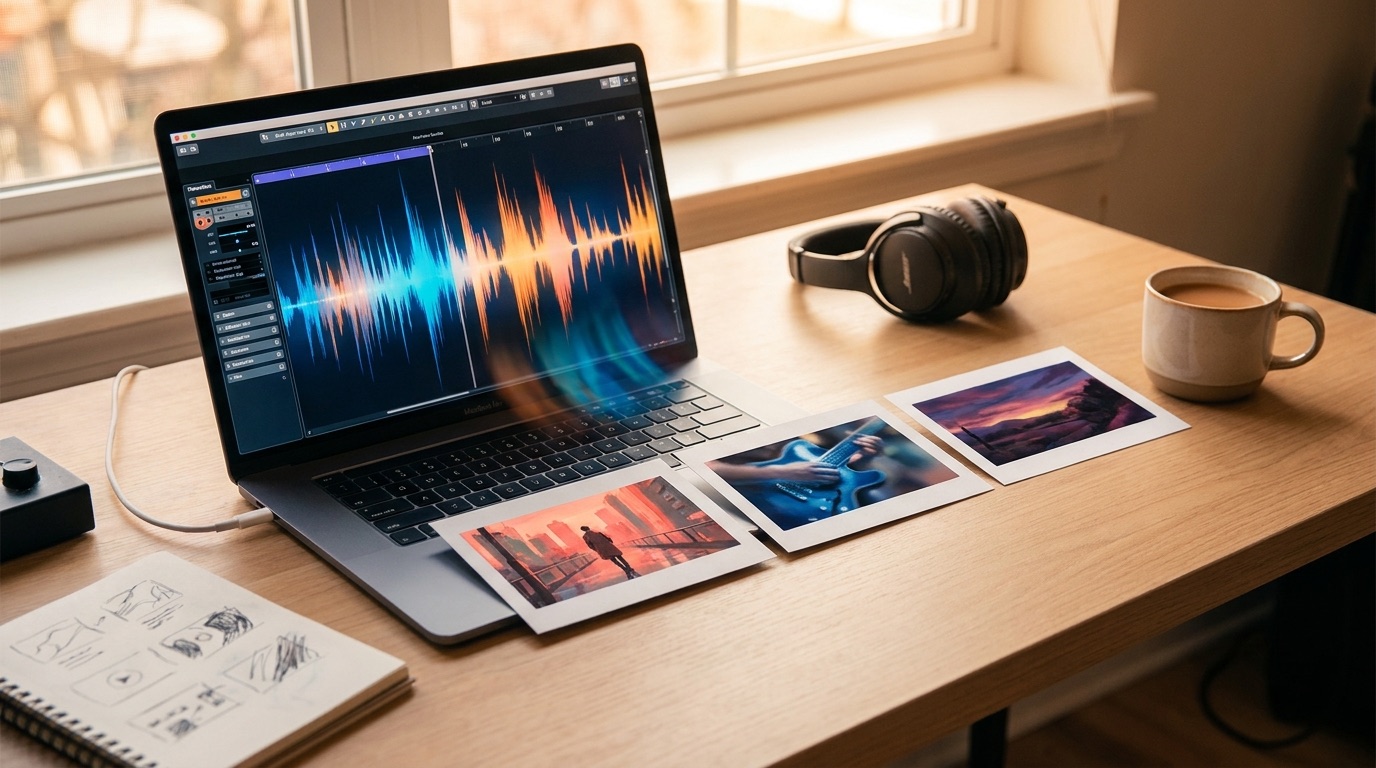
AI music disclosure is no longer a small footnote for experimental creators. If you use AI in the writing, vocals, arrangement, artwork, or music video, listeners may want to know what they are hearing and how much of the release came from you.
That does not mean every AI-assisted song needs a confession attached to it. It means the release should feel honest, intentional, and easy to understand.
The problem is that many AI music releases look disposable before anyone presses play. A vague artist name, a stock-looking cover, a looping visualizer, and no credit notes can make a song feel like it was uploaded by a content farm. The music might be good, but the packaging tells the wrong story.
Start with the listener's real question
Most people do not want a full production diary. They want to know whether they are being misled.
That question can show up in several ways:
- Is this a real artist or a fake persona?
- Were the vocals generated, cloned, or performed?
- Is the song original, or was it assembled from someone else's work?
- Did the creator make clear choices, or just upload whatever came out?
Your disclosure should answer the parts that matter for your release. A short note can be enough:
Written and arranged with AI-assisted tools. Final lyrics, concept, visual direction, and release packaging by the artist.
Put the disclosure where people actually look
If the disclosure only lives in a hidden description field, it will not do much work.
Use the places listeners already check:
- YouTube description
- Bandcamp notes
- streaming platform credits, where available
- pinned comment
- artist website or release page
- music video end card
- social launch post
You do not need to shout it in every frame. You do need consistency. If one platform says the track is fully human-made and another says it is AI-assisted, people will assume the worst.
Credit the human choices, not only the AI tools
A weak disclosure often centers the tool:
Made with Suno and AI video tools.
That is factual, but it makes the creator disappear. A stronger version gives the listener a better map:
Song concept, lyrics edit, visual world, and release direction by the artist. Music and video production used AI-assisted tools.
This matters because trust comes from ownership. If you made choices, say what you chose. If you only typed one prompt and uploaded the result, say less, or rethink the release before publishing it.
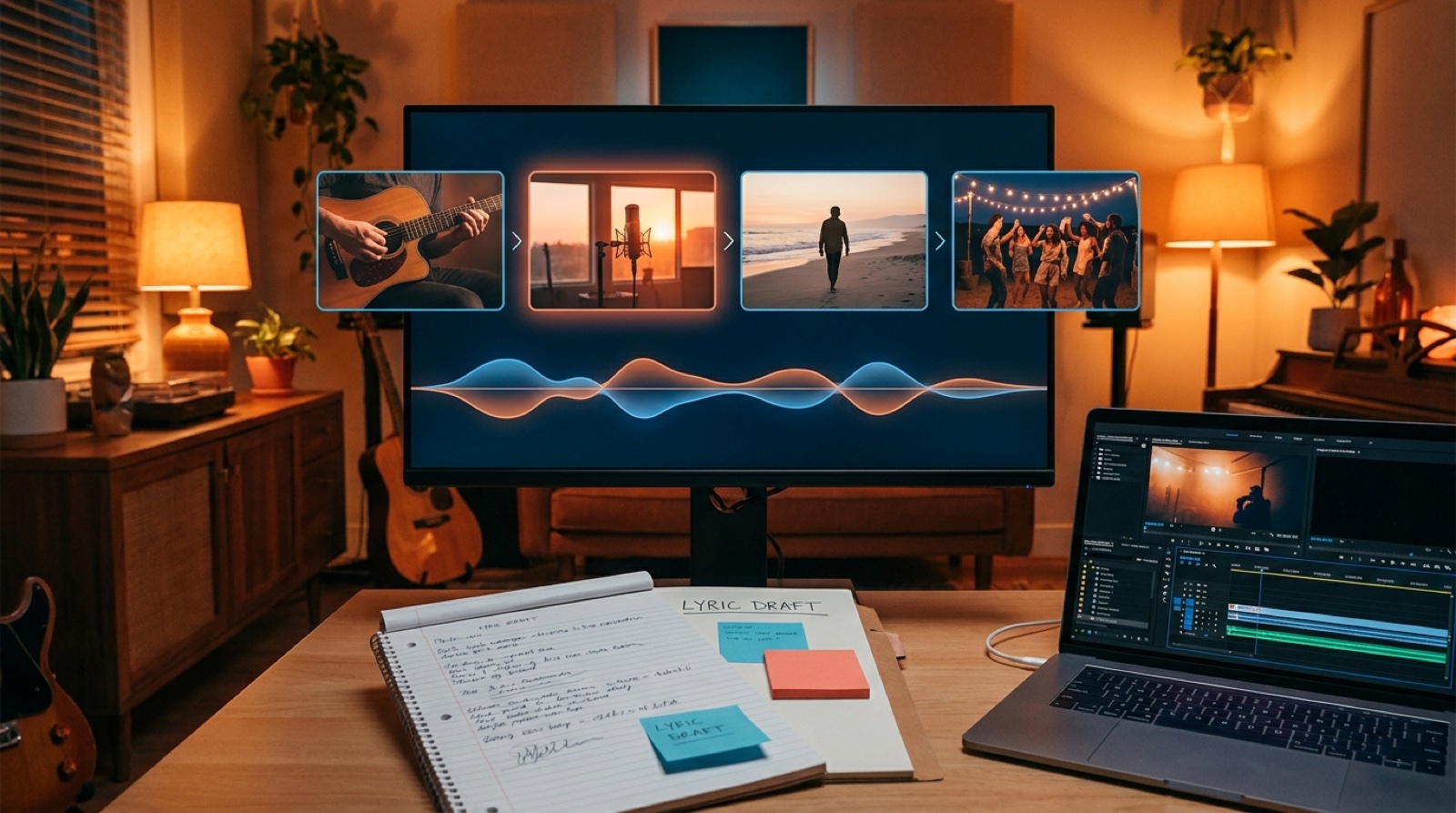
Make the video part of the trust signal
Visuals are often the first thing a listener sees. They set expectations before the first chorus.
If the video looks random, the release feels random. If the same character, location, color palette, or story logic carries through the track, the release feels planned.
Use the music video to answer a simple question: what world does this song belong to?
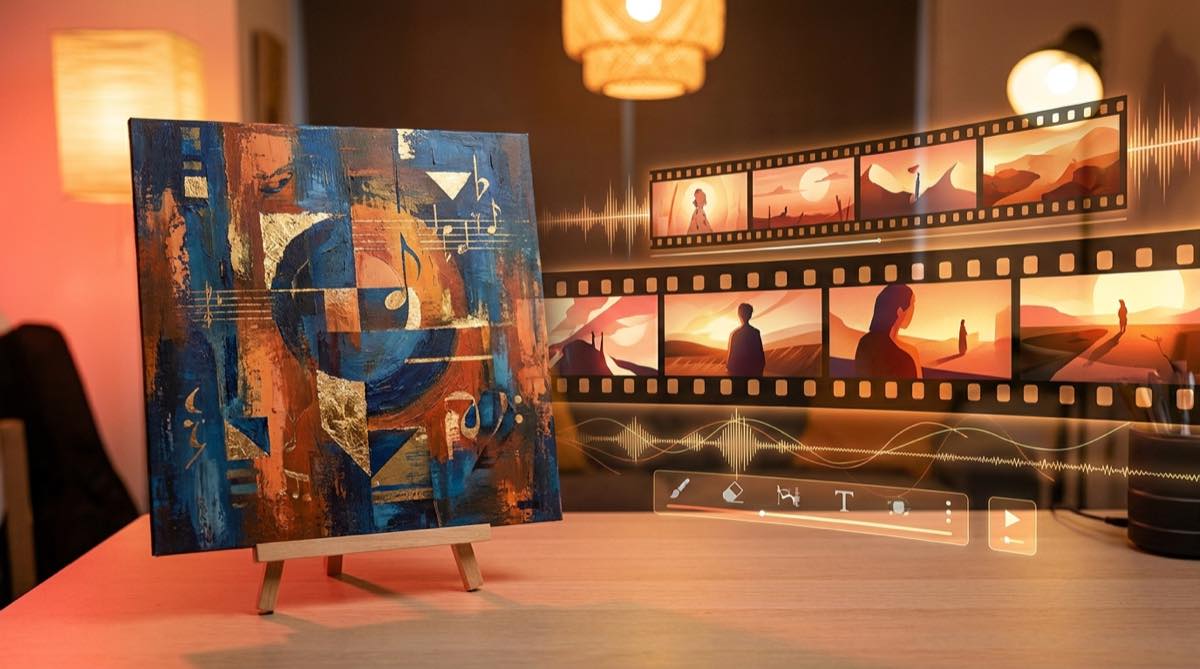
That does not require expensive production. It requires a few decisions: one clear visual anchor, a cover image that matches the video, scenes that follow the mood of the song, and no fake readable text, badges, labels, or platform claims.
This is why turning an album cover into a music video can work well. The cover becomes the first proof of intent, then the video expands it into a world.
Avoid disclosure that sounds defensive
Some creators overcorrect. They add long disclaimers, apologize for using AI, or fill the description with legal-sounding language. That can make the release feel less trustworthy.
Keep the tone calm. You used tools. You made choices. The song is the thing people came for.
A good disclosure might say:
This release uses AI-assisted music and video tools. The artist directed the concept, lyrics, visual style, and final release package.
A weaker version would say:
This is only an experiment and I know AI music is controversial but please listen anyway.
The first version gives facts. The second asks for forgiveness before the listener has heard anything.
Build a small release note template
The best way to avoid awkward disclosure is to make it part of the release workflow.
Before you publish, write one short note that covers what AI helped create, what the artist directed or edited, whether any voice likeness or outside work was used, and where the full video or release page lives. Then reuse that note across your release page, video description, and social posts.
For example:
This AI-assisted release was directed by [artist name]. AI tools supported the music production and full-length video. The final concept, story scenes, cover image, and release copy were selected and edited by the artist. No third-party voice likeness was used.
Make transparency feel like part of the brand
AI music disclosure should not feel like a warning label. For independent artists, it can become part of the creative identity.
Some listeners will care that a song was AI-assisted. Some will not. Many will mainly care whether the release feels honest and worth their time.
That is where packaging matters. A strong cover, a full video, a consistent visual world, and a clear credit note make the release easier to trust.
SceneLore is built for that exact moment. You can start with a finished song, a cover image, or a visual direction, then turn it into a full music video that supports the release instead of making it look cheaper.
If you are using AI to make music, do not let the release feel like an anonymous upload. Give people a song, a world, and a clear note about how it was made.
AI music disclosure FAQ
What is the best wording for AI music disclosure?
Use plain wording that separates tool use from human direction. For example: "This release uses AI-assisted music and video tools. The artist directed the concept, lyrics, visual style, and final release package."
Should I mention the exact AI tools I used?
Mention them when it helps the listener understand the work or when a platform asks for it. If the tool list makes the release feel like a lab report, use broader language and focus on the creative choices.