Release planning
A pre-save page for an AI song should already look like the release
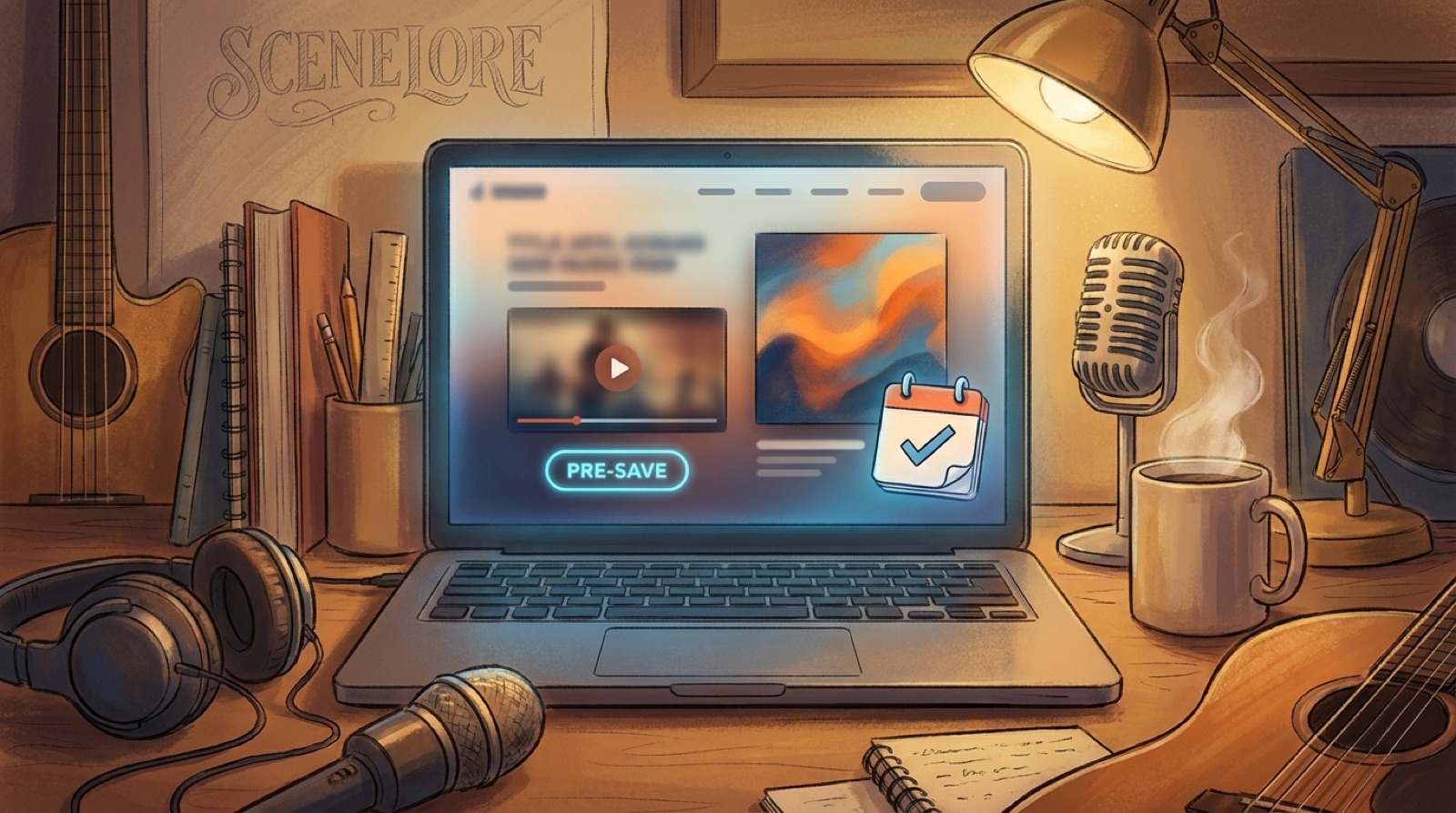
An AI music pre-save page should do more than collect saves. It should make the song feel real before release day.
For a new AI-assisted track, the pre-save link is often the first public proof that a release exists. If that page is only a blank cover, a date, and a button, fans have very little to believe in. They cannot hear the promise, see the world, or understand why this song deserves a reminder.
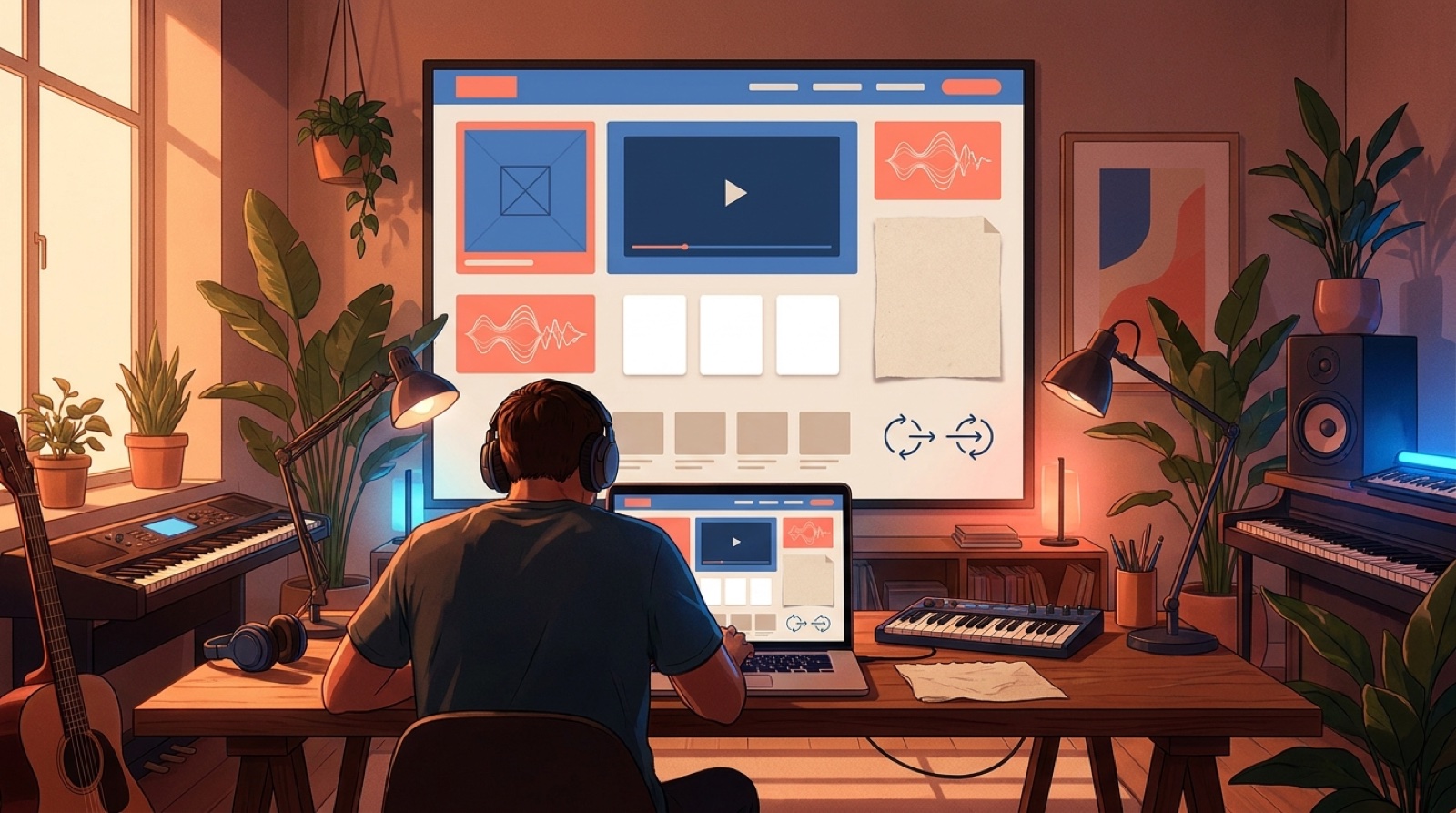
A stronger pre-save page works like a small release room. It shows the cover, the video mood, the hook, the date, and the next action in one place. The goal is not to overbuild a campaign. It is to make the upcoming song feel finished enough that someone wants to come back.
Start with the promise, not the platform button
The button matters, but it should not carry the whole page. Lead with the reason the song is worth saving: a chorus, a story, a visual idea, a genre mood, or a specific emotional payoff.
Instead of “pre-save now,” frame the release in human terms. A dark synth-pop single might promise a midnight chase. A cinematic ballad might promise a visual story about leaving home. A lofi track might promise a quiet loop for late work nights. The page should make that promise clear before asking for the click.
Use the video world before the full video exists
The pre-save window is the right time to introduce the visual world. You do not need the final music video yet. You need a few assets that make the release recognizable:
- a cover image that matches the song's emotional lane
- one thumbnail-style frame for YouTube or Shorts
- a short description of the visual world
- one still that can become a teaser post
- a note about when the full video will arrive
This is where SceneLore helps. If the song already has cover art, lyrics, or a release concept, you can turn that material into a coherent video direction instead of scrambling for visuals after the pre-save link is public.
Give fans enough context to trust the release
AI music still asks listeners to decide whether a song feels authored or disposable. A pre-save page can answer that quietly. Add a short creator note that explains the human choices behind the track: the theme, the mood, the vocal direction, the reason for the visual style, or what changed between early drafts and the final version.
Keep the note plain. Do not turn it into a legal defense or a tool list. The useful message is simple: someone made decisions here, and the release has a shape.
Make the page useful for every promo link
A good AI music pre-save page can become the hub for the whole launch. Use it in the bio link before release day, then update it after launch with the streaming links, full video, lyrics, and short clips.
Plan the sections in advance:
- pre-save button before release
- watch button after the video goes live
- streaming links after distribution clears
- one short clip or visual teaser
- credits, disclosure, and release notes where useful
That structure keeps the campaign from splitting across random posts. Every link points back to one release story.
Check the page like a release asset
Before sharing the link, open the page like a listener would. Does the first screen show the song title, release date, visual mood, and action? Does the thumbnail match the genre? Does the copy feel confident without overselling? Can someone understand the release even if they do not know which AI tools were used?
If the answer is no, fix the page before sending people to it. A pre-save page is not admin work. It is part of the release package.
Build the video world before the pre-save link goes wide
SceneLore turns your AI song, cover art, and release idea into a music video direction that can support the pre-save page, teaser clips, and launch day.
Create Your First Video