Release proof
AI music provenance should travel with the release
AI music provenance is not paperwork you hide in a folder after launch. It is part of the release package that helps a song, video, and visual world feel responsible when someone asks how it was made.
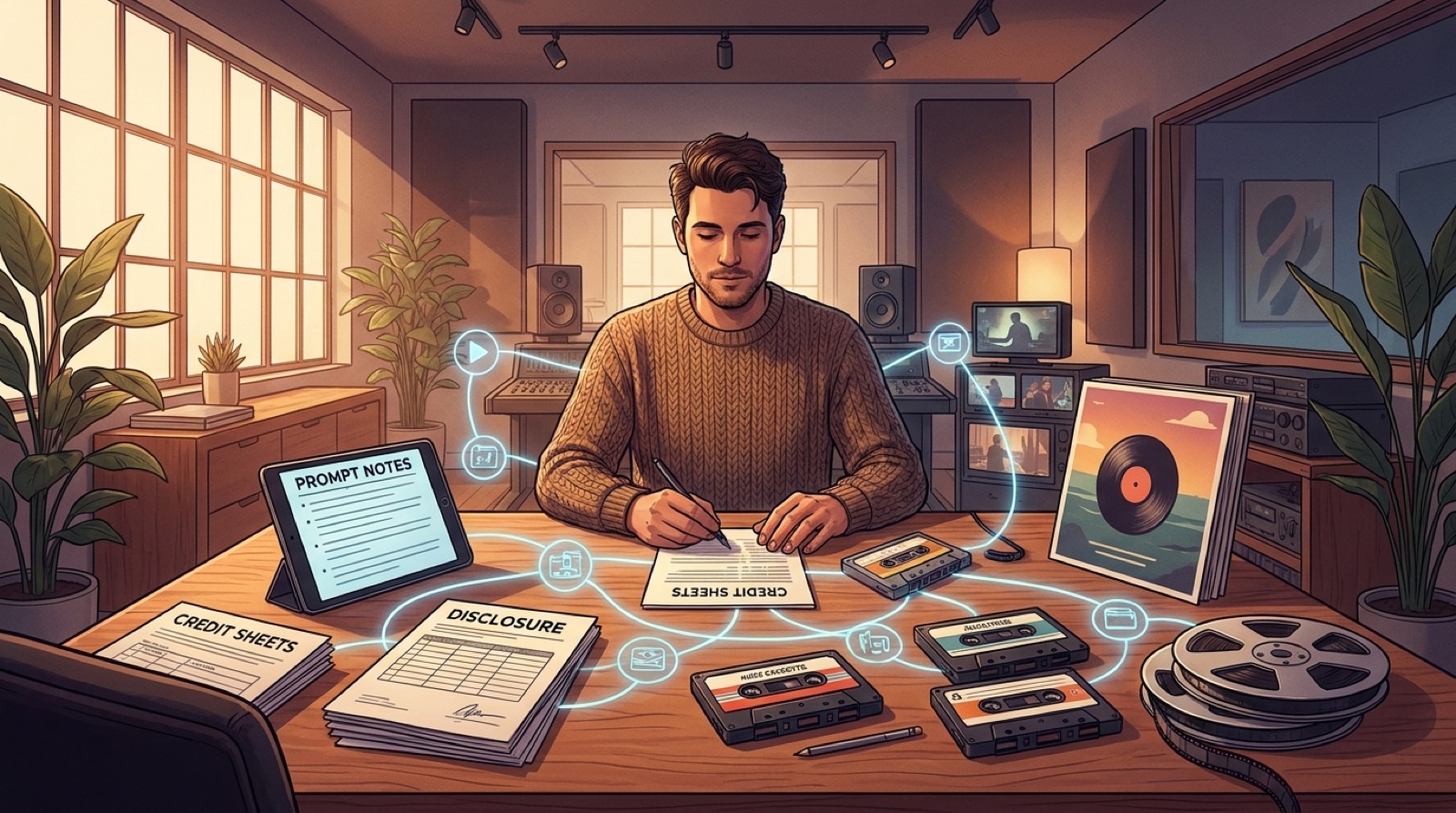
Rights debates around AI music are not slowing down. Creators cannot control every platform rule, lawsuit, or comment thread, but they can control how cleanly they document their own work. That matters when a distributor asks questions, a collaborator wants clarity, or an audience needs a reason to trust the release.
Think of provenance as the story of the finished work: what human choices shaped it, what tools helped, which files belong to the release, and how the visual package supports the song instead of making it look anonymous.
Keep proof close to the finished release
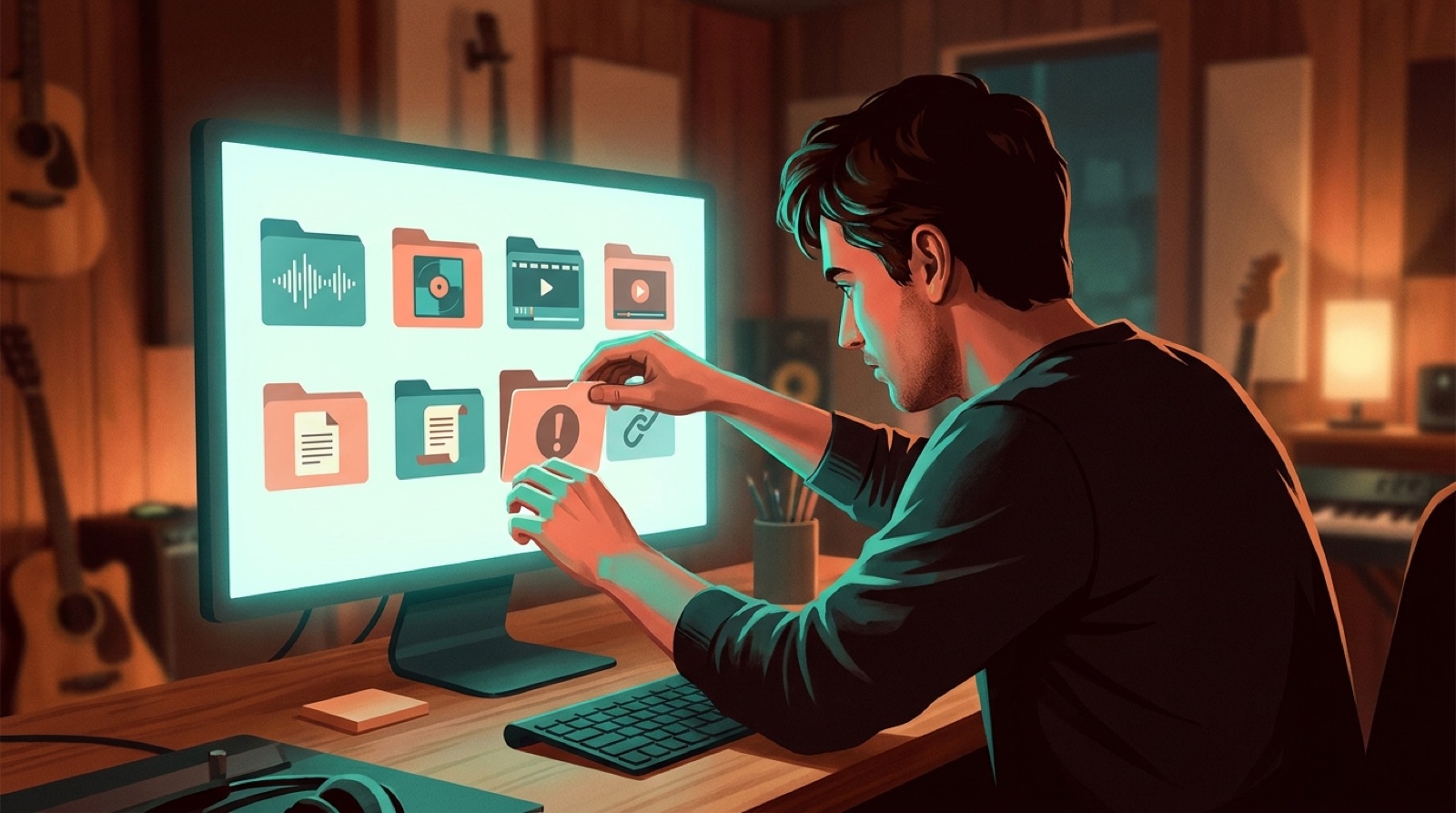
A provenance folder should sit beside the final audio, video, thumbnail, captions, and launch copy. If proof lives somewhere else, it gets forgotten exactly when the release needs it most.
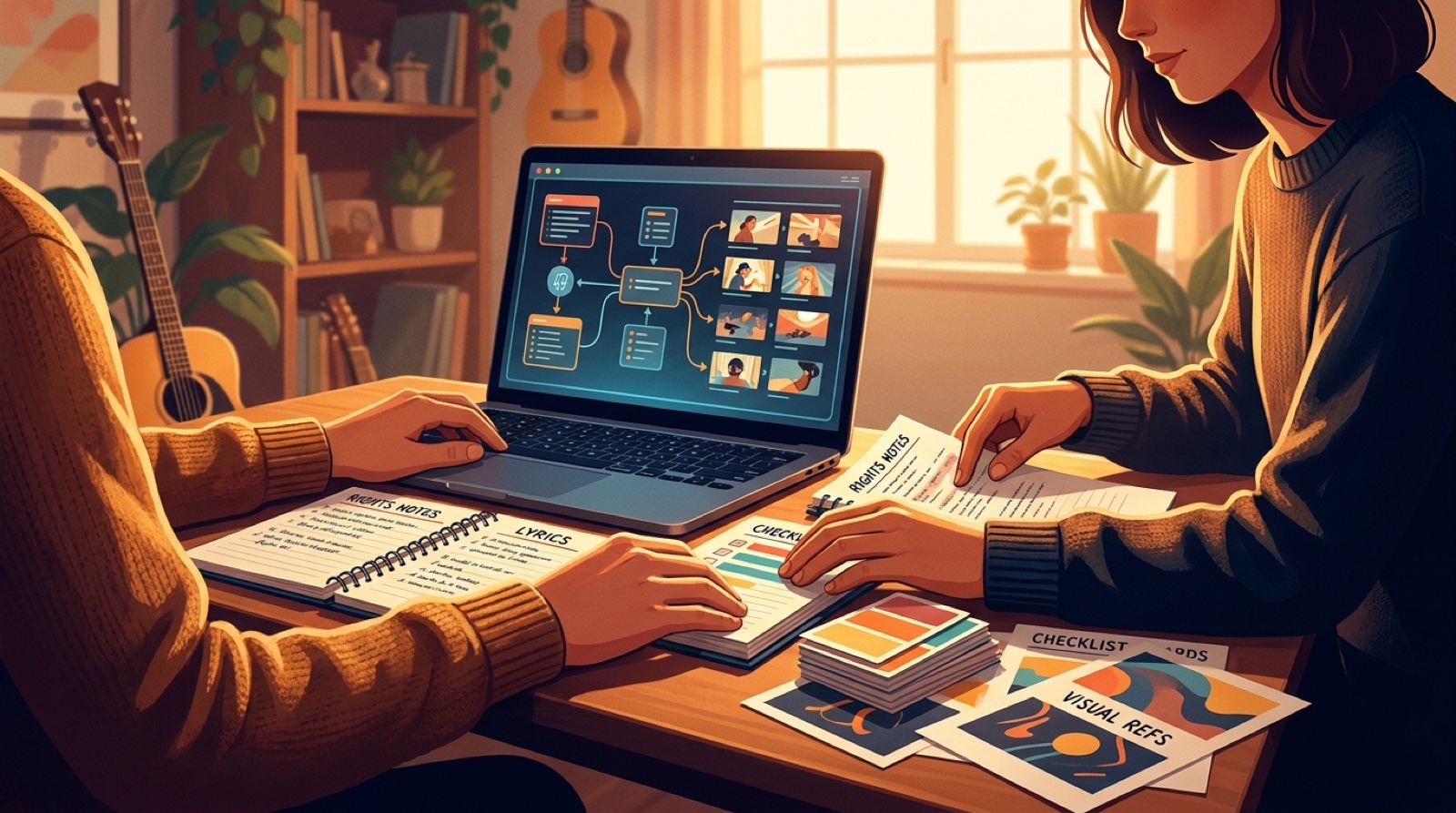
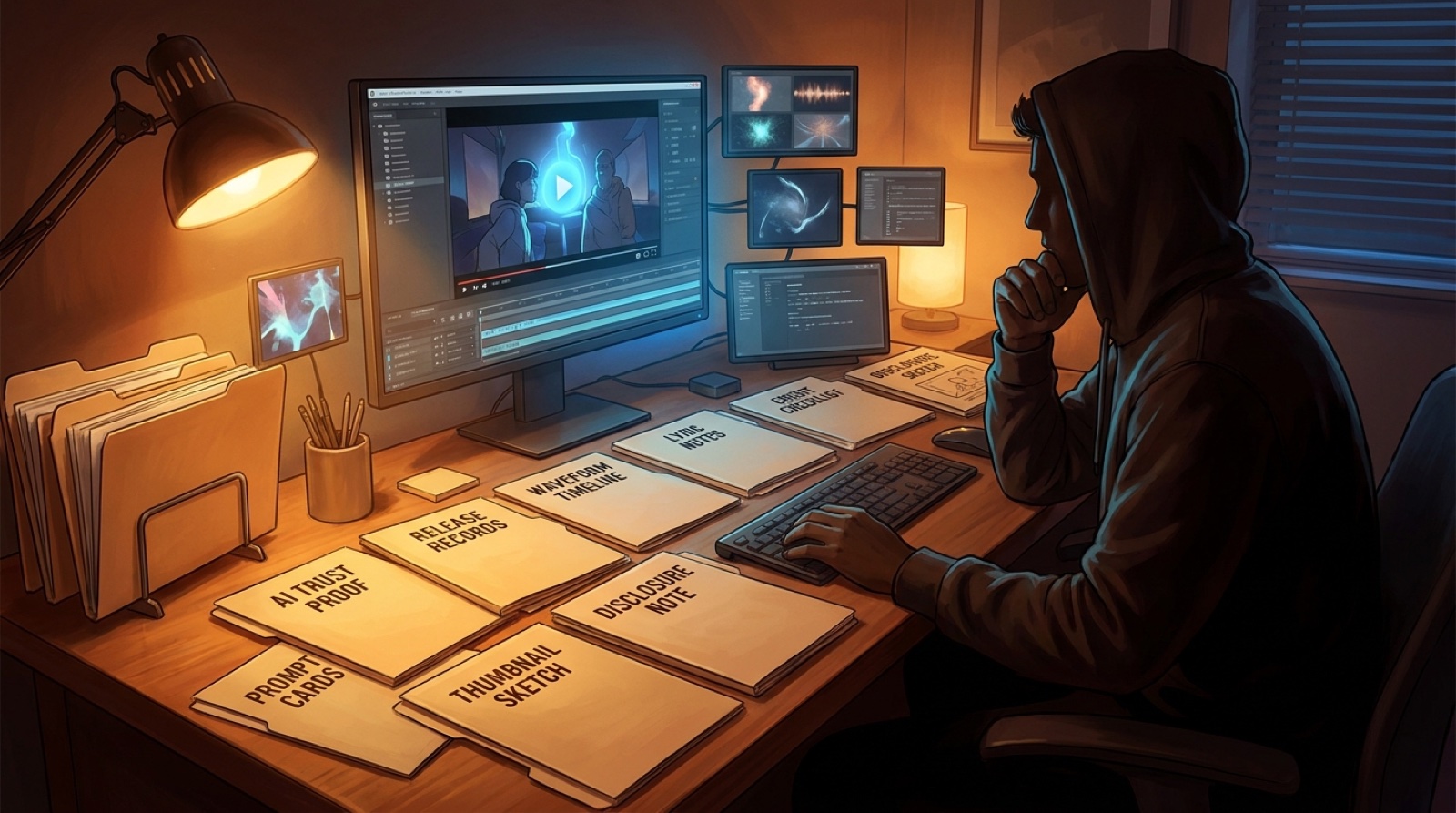
Save the source audio, stems where available, lyric drafts, arrangement notes, prompt notes, editing exports, cover art, video renders, disclosure wording, and final credits. You do not need a legal brief. You need a clear trail that shows the release was made with intent.
Document human intent, not just tool output
The most useful notes explain why choices were made. What mood did the song aim for? Which lyric line guided the visuals? Why did one thumbnail beat another? Which scenes were rejected because they felt misleading, generic, or off-brand?
Those notes make the package feel authored. They also help future collaborators understand the creative direction without guessing from a pile of exported files.
Make the visual package support trust
A release can have honest documentation and still look careless if the visuals feel random. The cover image, full video, short clips, and thumbnails should look like they came from the same world.
SceneLore helps here by turning one song and visual direction into a more coherent video package. The point is not to disguise AI assistance. The point is to make the finished release feel considered, consistent, and worth taking seriously.
Separate useful records from legal advice
Provenance is not a substitute for legal guidance. If rights, samples, contracts, or commercial permissions are unclear, talk to a qualified professional before release day.
For everyday creator operations, though, simple records still help. They make credits easier to write, disclosure easier to keep consistent, and platform review less chaotic if someone asks for context.
A practical AI music provenance folder
- Final master, alternate exports, and dated audio versions.
- Lyrics, writing notes, prompt notes, and arrangement decisions.
- Stems or source files when the tool or collaborator provides them.
- Cover art, thumbnail, full video, captions, and short-form cutdowns.
- Credits for people, tools, collaborators, and licensed material.
- Disclosure wording used on YouTube, distributors, social posts, and release pages.
- A short release note explaining the human creative direction behind the song.
Build it before the release gets questioned
The worst time to assemble provenance is after a release is challenged. By then, exports have moved, notes are stale, and nobody remembers which version became final.
Make the folder while the song is still fresh. Treat it like the same release package as the video, thumbnail, and description. If nobody asks for it, you still have a cleaner archive. If someone does ask, you are not rebuilding the story from memory.
Give the release a visual package that feels deliberate
SceneLore helps AI-assisted musicians turn finished songs, cover art, and creative direction into music videos that look connected to the release, not pasted on at the end.
Create Your First Video